“All the news … that was turned in.”
That was an unofficial motto for my college newspaper, The Flat Hat, at William & Mary.
It was, of course, a silly take on the New York Times’ famous slogan “All the news that’s fit to print,” and reflected the reality of depending on scatterbrained college students to report the goings-on of the week.
Those of us who worked there were a ragtag bunch, usually staying up all night on Thursdays to get the paper to the printer so it would be ready for the weekend. It was a messy operation, and I loved it, even though my peers and I figured working there meant our GPAs ended up a whole letter-grade lower than if we hadn’t so embraced the First Amendment.
A few of us ended up in everyday journalism, and many of the rest have gone on to do great things in other fields.
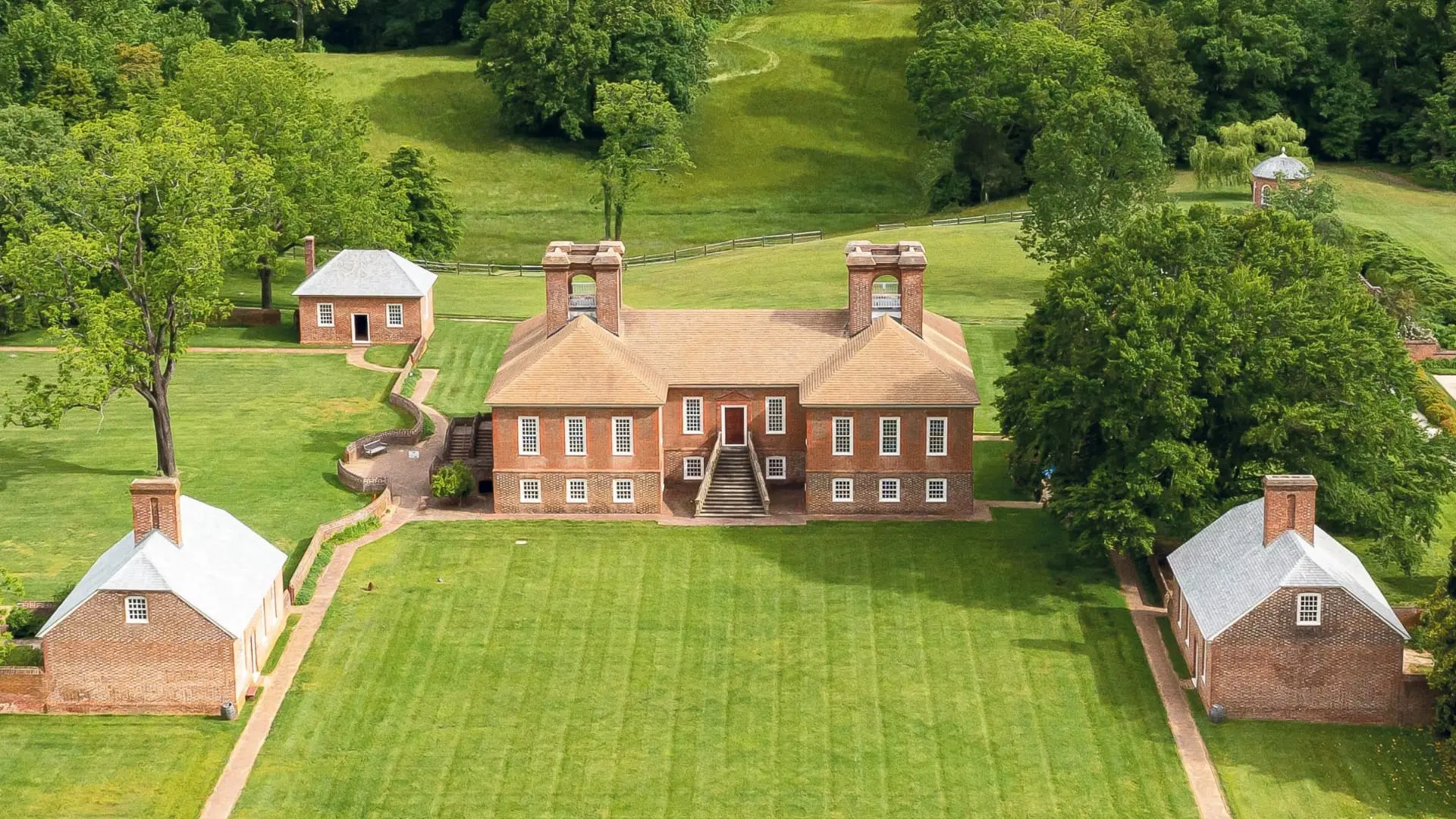
One of those is Karen Daly, who’s the president of Stratford Hall in Westmoreland County, best known as the birthplace of Robert E. Lee.
Karen gave me a tour last week of the 2,000-acre historic preserve, where she’s worked since 2021. I hadn’t been to Stratford since taking my son there for an Easter egg hunt years ago, and I hadn’t seen my friend for almost three decades.
Turns out while some of us Flat Hat alums were chasing headlines and bylines over the years, Karen established herself in the museum world.
Before coming to Stratford, she was executive director of Dumbarton House, Federal period house museum in Georgetown and headquarters of the National Society of the Colonial Dames of America. She was education director there before becoming the boss, and, before that, taught fourth grade in the D.C. public school system.
Karen also has a master’s degree in museum education from George Washington University, and she said she knew she really wanted a career in museums after completing a summer internship at the Museum of Modern Art in New York City.
“They did a really wonderful job of allowing you to see the different functions in a museum and then also see other kinds of arts and culture organizations,” she told me.
It was the people part of museums that she realized she loved, sharing historical stories with the public.
“So I knew I didn’t want to pursue curatorial or conservation work,” she said. “I’d love the artifacts and the artwork, but I’d love them for the stories that they tell you about the people and, you know, about the artists or the people living at the time.”
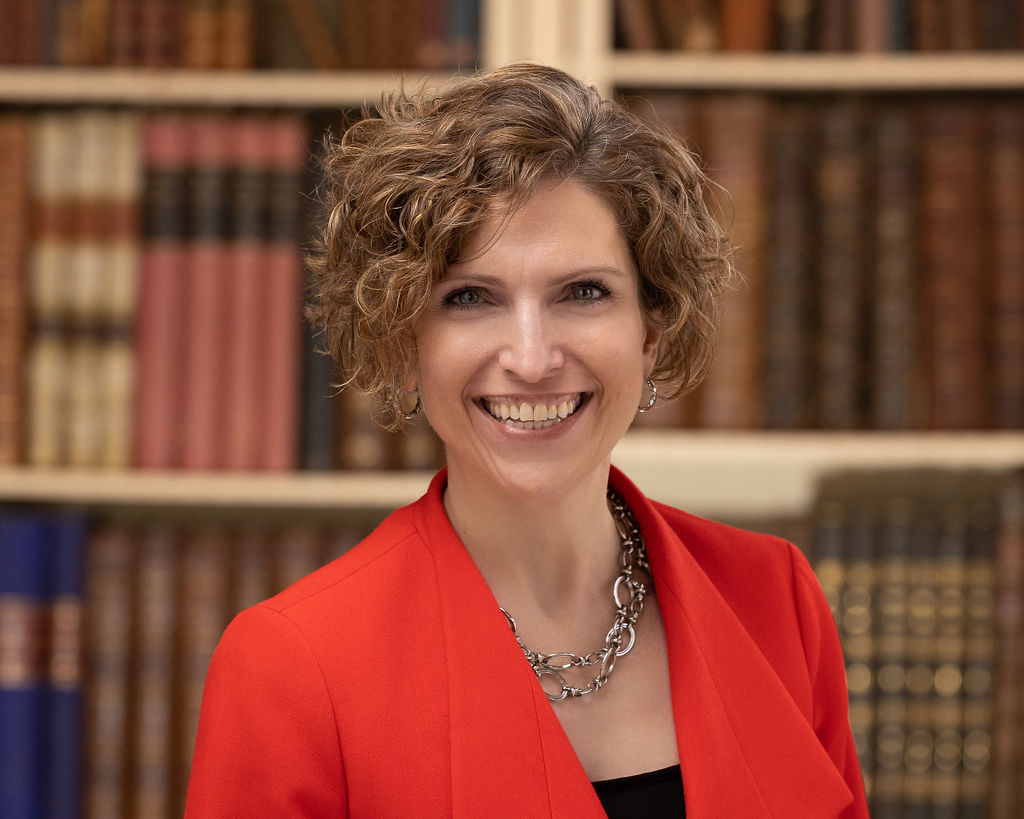
Stratford Hall President Karen Daly
Her experience at the Dumbarton House and earlier, at the DAR Museum in Washington, also brought another realization.
“So I started to learn and become really passionate about this fact that it was often women that were preserving these pieces of American history,” she said. “And so that, that became, I guess, a kind of calling for me.”
Since she’s been at Stratford, Karen has shepherded the historic site back into full operation following the pandemic, attracted more than $2.3 million in grants and appropriations from the state for preservation and interpretation, and partnered with regional organizations to create the Northern Neck 250 Coalition to plan for the anniversary of the Declaration of Independence. Like many other historical properties around here, you’ll be able to visit Stratford this summer for 250 events.
Particularly impressive also is Stratford’s commitment to Black history. The landmark may be known for a Confederate general and his family, but it aims to educate the public about the enslaved Africans who worked at Stratford and at neighboring plantations.
A highlight of this part of Stratford’s mission is “First Africans Day,” which has been held for five years. This year’s version will be July 25.
“Each year, we remember these ‘first Africans’ and honor all the ancestors once enslaved here by commemorating their lives, cultures, contributions and resilience,” an item in a Stratford publication explains.
Telling the story — the whole story — like this is important. Seems my friend is still carrying on a journalism truism well after our last deadline in college.