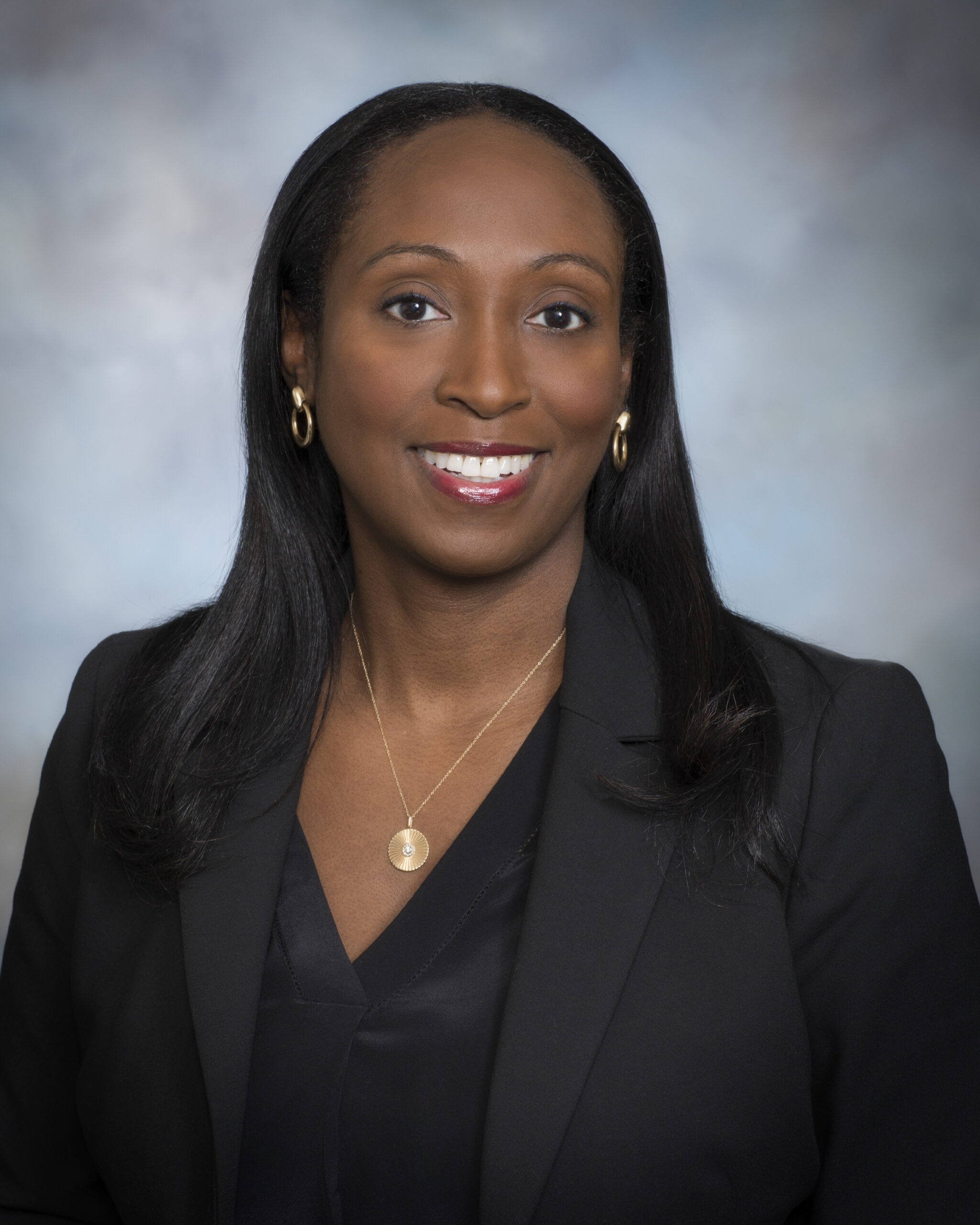
March marks Colorectal Cancer Awareness Month, an important reminder to prioritize screenings that can save lives. Colorectal cancer remains one of the most common—and most preventable—cancers in the United States. To help our region better understand the importance of early detection, we spoke with Dr. Ayana Chase Greaves, a colorectal surgeon with Mary Washington General Surgery and the program director for general surgery in Mary Washington Healthcare’s graduate medical education program.
Dr. Chase Greaves shared her insights on why colonoscopies matter, how screening recommendations have evolved, and what steps individuals can take to protect their health.
Colonoscopies are the gold standard
“Colonoscopies are both diagnostic and therapeutic,” explains Chase Greaves. Unlike stool‑based tests, which can only detect potential signs of cancer, a colonoscopy allows physicians to find and remove polyps during the same procedure. Polyps are small growths that may eventually develop into cancer. Detecting and removing them early is one of the most effective ways to prevent disease before it starts.
While at‑home stool DNA tests exist, they are not as effective at identifying early polyps, and any positive result still requires a follow‑up colonoscopy. National screening guidance aligns with this emphasis: the American Cancer Society and the U.S. Preventive Services Task Force recommend colonoscopy every 10 years for average‑risk adults beginning at age 45, with alternative stool‑based or imaging tests as secondary options. [cancer.org], [cdc.gov]
When to get screenings
Colorectal cancer is the third leading cause of cancer‑related deaths among both men and women in the U.S. While the average age of diagnosis is mid‑60s, an alarming trend has emerged: about 10% of new cases now occur in adults under 50, according to Chase Greaves.
This shift prompted national leaders to lower the recommended screening age from 50 to 45. Both the American Cancer Society and the USPSTF now advise adults at average risk to begin routine screening at 45. [cancer.org]
For some people, screening should begin even sooner. Individuals with the following should speak to a physician about earlier or more frequent testing:
- Family history of colorectal cancer or polyps
- A personal history of polyps
- Inflammatory bowel diseases such as Crohn’s or ulcerative colitis
- Genetic cancer syndromes such as Lynch syndrome or FAP
- Prior abdominal or pelvic radiation [cdc.gov]
Common misconceptions and fears
One of the biggest concerns patients share is the preparation process—the bowel “prep” needed to clear the colon so polyps can be seen clearly. Some preparations involve drinking large volumes of liquid that may be unpleasant.
Chase Greaves reassures her patients with a compassionate approach. “I commiserate—I’ve had two colonoscopies myself, and one of the preps didn’t go so well.” She finds that sharing practical tips and personal experience helps patients feel more confident and prepared.
Despite the reputation, most patients are surprised to learn that the procedure itself is painless, and they often don’t remember it at all afterward.
Colonoscopy technology has improved significantly in recent years. One key quality measure in the field is the adenoma detection rate, which reflects how well physicians identify polyps. New tools help increase that rate:
- AI‑assisted polyp detection, which flags subtle abnormalities during the procedure
- High‑definition colonoscopes with wider fields of view
- Advanced endoscopic techniques that allow removal of larger polyps, sometimes preventing the need for surgery entirely
These advancements mean more polyps are identified early—and removed—before they can progress to cancer.
Even outside of routine screening, some symptoms should never be ignored. Chase Greaves emphasizes that changes in bowel habits or any presence of blood—either in the stool or when wiping—warrant a discussion with a physician. While not all symptoms point to cancer, early evaluation ensures that anything concerning is addressed promptly. This aligns with national educational materials highlighting that symptoms like bleeding, changes in stool, or abdominal discomfort may indicate potential colorectal issues and should prompt medical attention. [acofp.org]
Lifestyle choices that lower risk
While not all colorectal cancers can be prevented, several lifestyle choices can significantly reduce risk. Chase Greaves recommends:
- Eating a high‑fiber diet
- Exercising regularly
- Maintaining a healthy body weight
- Limiting red and processed meats
- Minimizing alcohol consumption
These recommendations echo widely accepted national guidance on colorectal cancer prevention, which emphasizes diet, exercise, and moderation as key contributors to colon health. [acofp.org]
Colorectal cancer is often highly treatable when caught early, and in many cases, preventable altogether. Lower screening ages mean that more individuals can benefit from early detection, and improved technology makes colonoscopies more effective than ever.
But the first step is simple: start the conversation. Whether you’re 45 and due for your first screening, have concerning symptoms, or have risk factors that might warrant earlier testing, talking with your primary care provider or a specialist can set you on the path to peace of mind.
Chase Greaves and the Mary Washington Healthcare team remain committed to educating our community and providing expert, compassionate care. As she reminds us, “Screening saves lives—often long before symptoms ever appear.”
This March, let’s all take a moment to prioritize our health and encourage family, friends, and neighbors to do the same.
To learn more about Mary Washington Healthcare Colon and Rectal Surgery, click here.
Editor’s note: This article was provided by Mary Washington Healthcare, a corporate sponsor of the Fredericksburg Free Press. As part of its continued partnership with MWHC, the Free Press will publish monthly public health awareness content on topics such as wellness, preventative care and the latest advancements in healthcare. This partnership seeks to help the community make informed health decisions while offering a behind-the-scenes look at local care and services. Content has been edited for clarity and style by the editorial staff.